Gas Burner Will Not Ignite
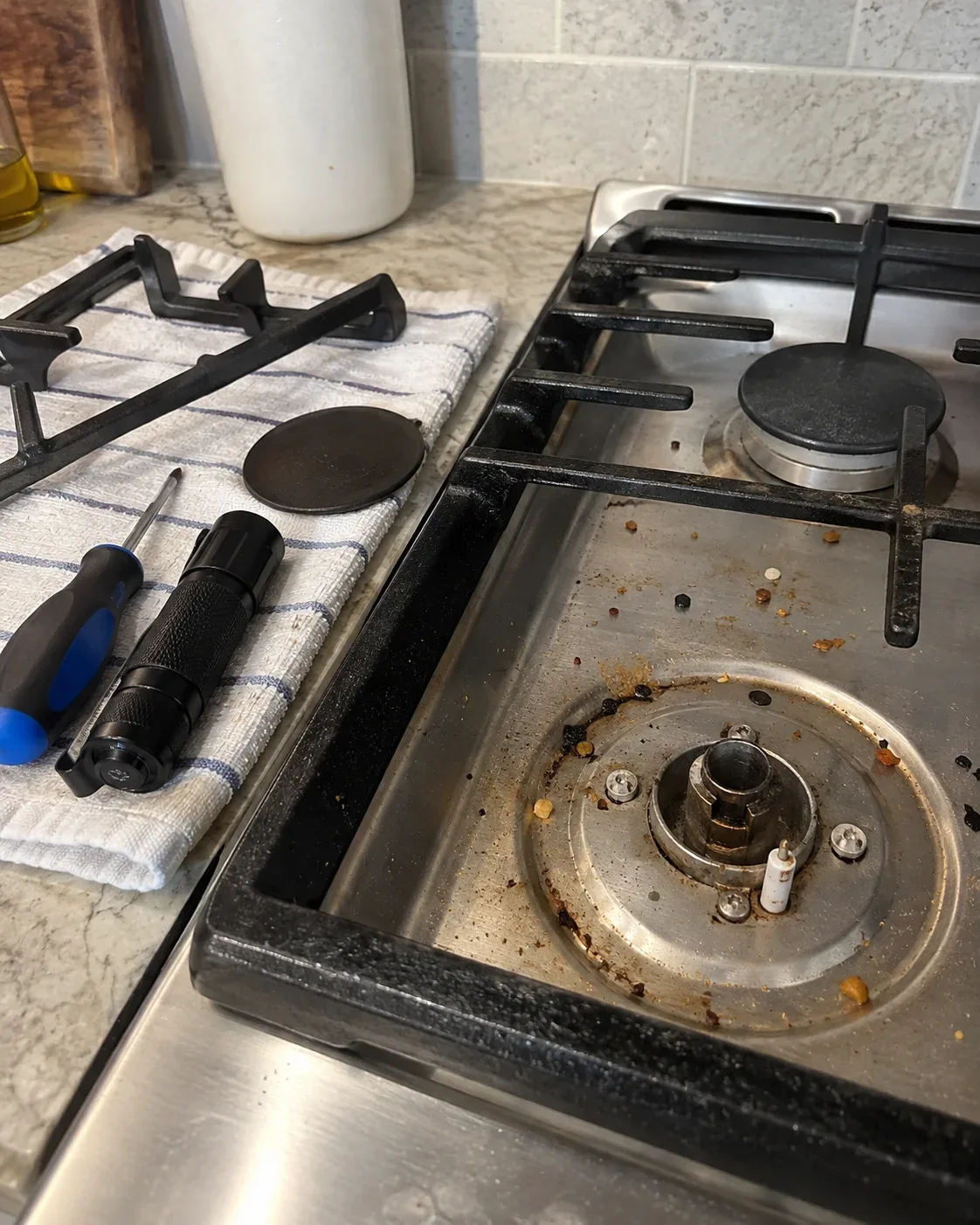
The igniter clicks, but the burner does not light. Moisture, debris, damaged ignition components, or electrical faults can interrupt the ignition sequence.
Residential Stove & Cooktop Service
A burner that refuses to ignite, an electric element that stays cold, or a cooktop with unpredictable heat can interrupt meal preparation. Appliance Repair Benbrook provides in-home stove repair for residential gas and electric cooking appliances, including burner, ignition, heating, and control problems.
Every day · 7:00 AM – 11:00 PM
Professional cooking appliance diagnostics
Manufacturer-original replacement components
Insured in-home appliance service
Cooking Surface Problems
Problems with burner operation may involve the heat source, electrical connections, ignition components, or temperature controls. The specific behavior of the cooking surface helps narrow down what needs inspection.
The igniter clicks, but the burner does not light. Moisture, debris, damaged ignition components, or electrical faults can interrupt the ignition sequence.
An electric cooking zone may fail while the other burners continue working. A defective surface element, control switch, wiring connection, or heating circuit may be responsible.
Heat may fluctuate, remain too high, or fail to respond to adjustments. Temperature controls, regulating switches, sensors, and burner components can contribute to irregular operation.
A touch panel may stop responding, display an error, or fail to activate a cooking zone. Control-board problems, sensors, and electrical faults are possible causes.
Persistent clicking after a burner lights may indicate moisture near an ignition switch, a defective spark module, or damaged switch wiring.
A single burner may stop heating on a multi-zone cooktop. Depending on the appliance design, the fault may involve an individual heating element, burner assembly, control switch, or induction component.
If you notice a burning electrical smell, sparks, or gas odor, stop using the appliance and address the safety concern before arranging routine repair.
Request Stove RepairStove Components & Diagnostics
A cooking surface depends on several components to start, regulate, and maintain heat. Gas burners, electric radiant elements, and induction zones operate differently, so similar symptoms can have unrelated causes. A diagnosis focuses on the components used by the specific appliance.
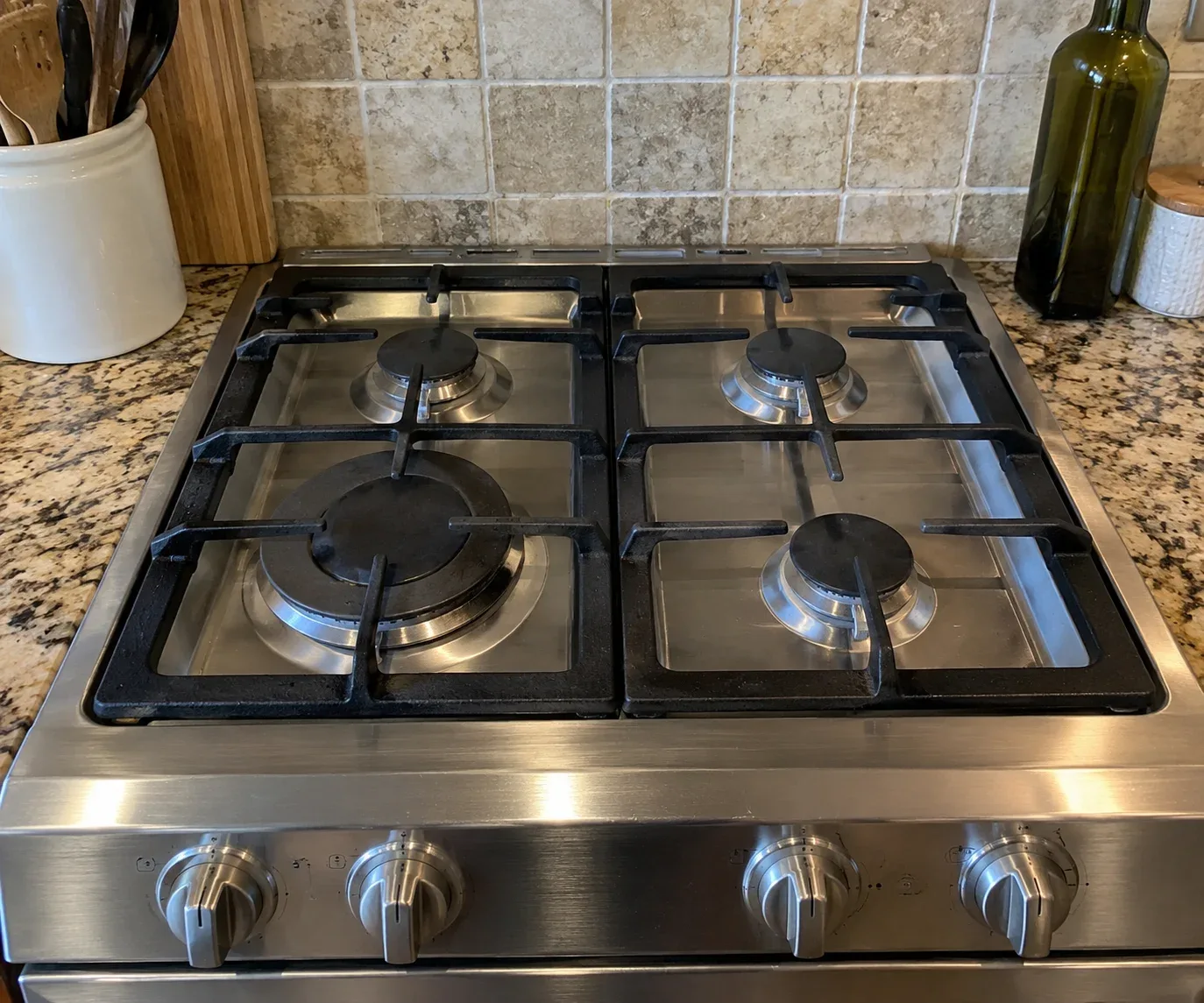
Gas cooking surfaces use igniters, burner assemblies, ignition switches, and gas-flow controls. A burner that clicks without lighting may have a problem with spark generation, burner alignment, or another part of the ignition system.
Electric stoves rely on surface elements and regulating components to produce controlled heat. Failed elements, damaged connections, or defective switches can cause a cooking zone to remain cold or operate at the wrong temperature.
Modern cooktops may use touch panels, temperature sensors, electronic boards, and induction modules. An interruption in communication or component operation can prevent a burner from activating or responding correctly.
From Your Call to the Repair
Knowing whether your stove uses gas, electric radiant heat, or induction provides useful context before the appointment. The repair process then follows three straightforward steps.
Describe the stove problem, share the appliance brand and model when available, and arrange a service appointment.
A certified technician examines the cooking appliance, identifies the fault, and discusses the proposed repair and associated costs.
After the repair details are agreed upon, the work is performed according to the diagnosed problem and appliance configuration.
Our residential stove repair service combines certified technicians, genuine OEM components where applicable, and fully insured in-home repair work.
Arrange Stove RepairCooking Appliance Configurations
The type of cooking surface determines how heat is produced and controlled. Appliance design, burner construction, and electronic features affect which components are involved in a repair.
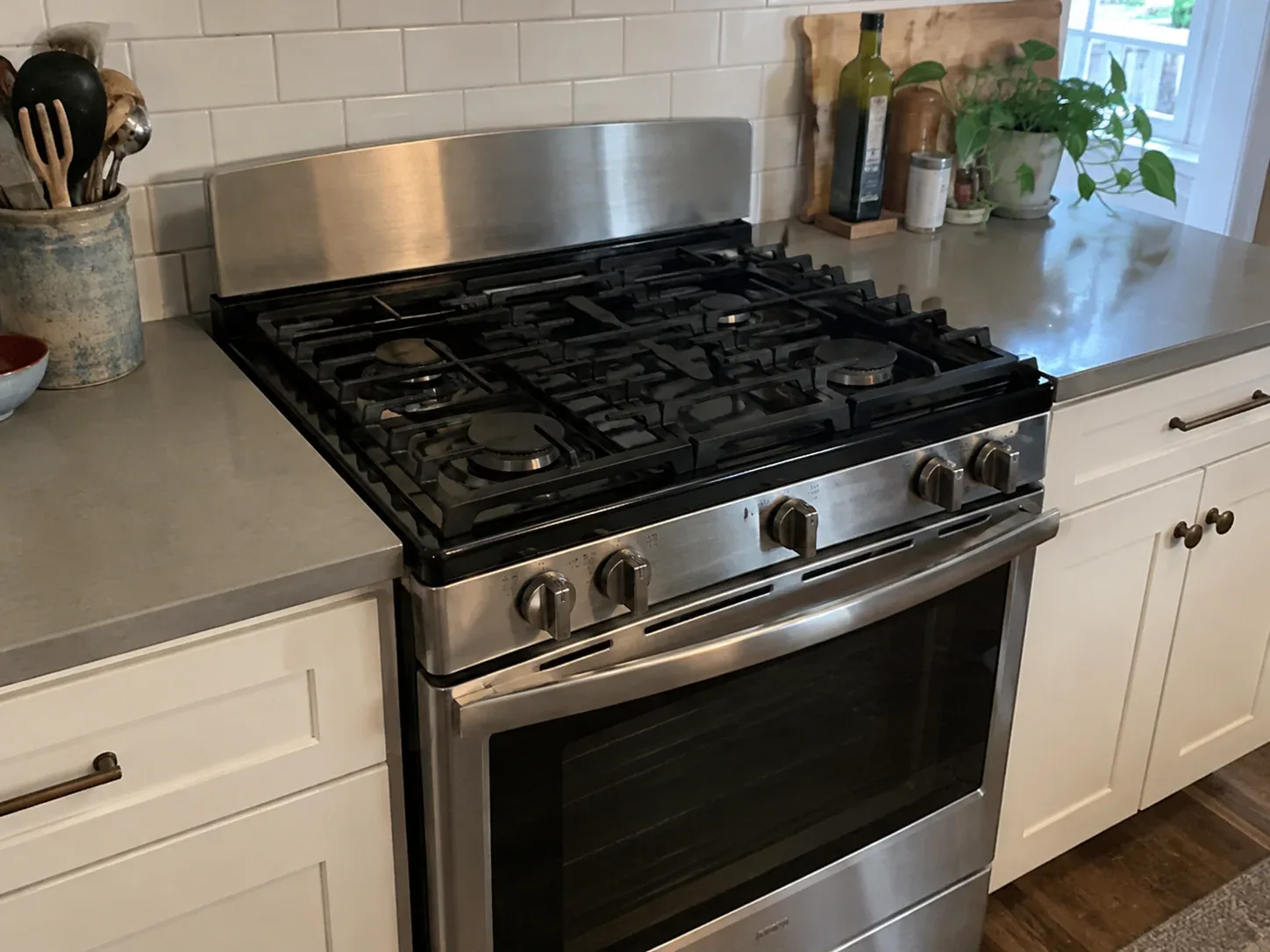
Gas cooking appliances use burner assemblies, ignition components, and controls that regulate the gas supply. Their design can include sealed burners, removable grates, electronic spark ignition, and different burner-output configurations.
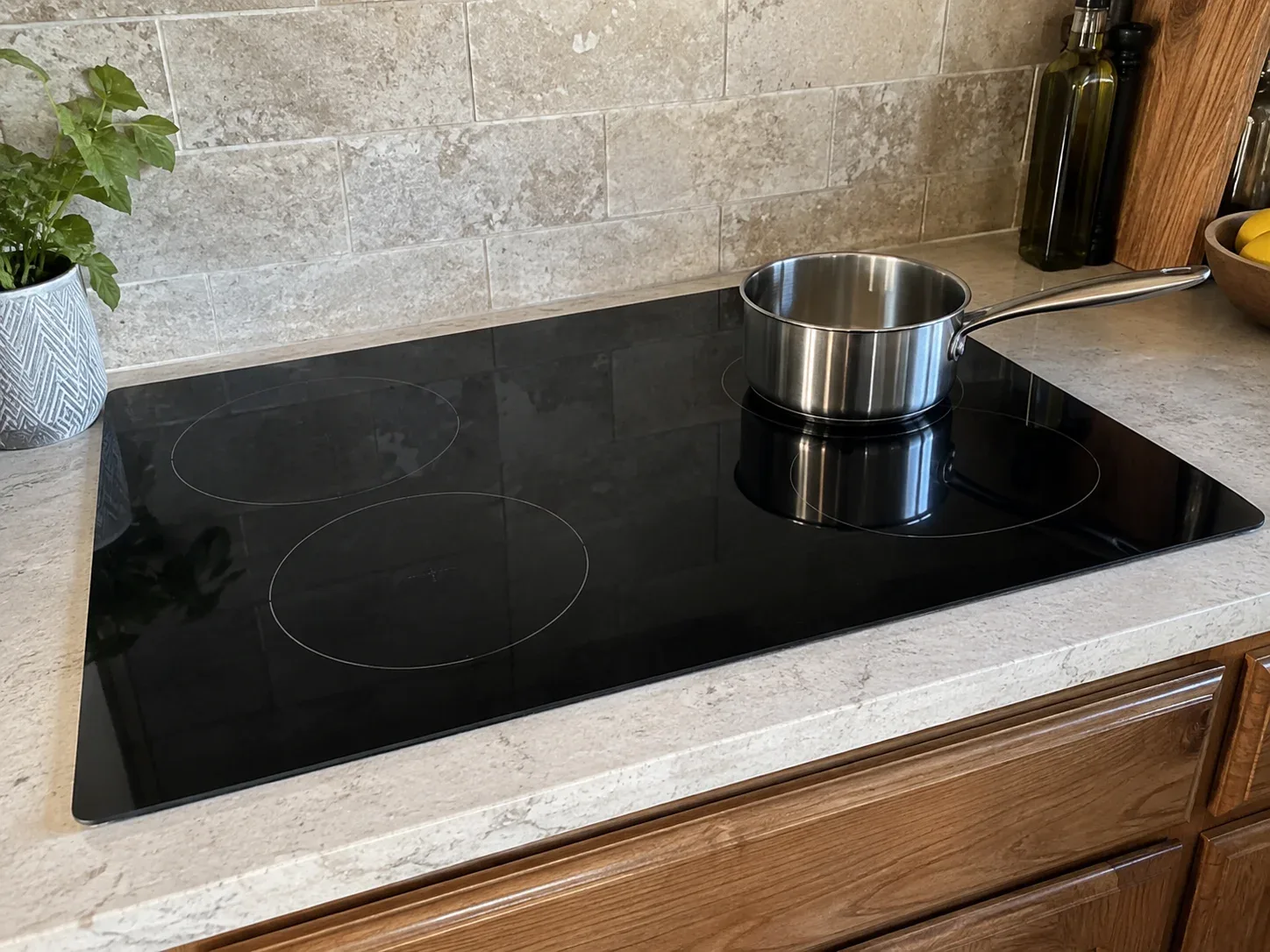
Traditional electric cooktops generate heat through surface elements, while induction models use electromagnetic energy to heat compatible cookware. Their electronic controls and internal components differ, particularly when troubleshooting individual cooking zones.
Stove configuration matters. Freestanding ranges, slide-in ranges, and built-in cooktops can use different controls and heating systems. Providing the model number helps identify the appliance before diagnosis.
If you smell gas, leave the building immediately and contact your gas utility or emergency services from a safe location. Do not operate electrical switches, attempt to light a burner, or remain inside to investigate. Routine appliance repair should only be arranged after the immediate safety concern has been addressed.
Local Residential Cooking Appliance Service
Kitchens across Benbrook contain different cooking arrangements, from freestanding gas ranges to built-in glass cooktops. Appliance age, available cabinet space, and previous kitchen renovations can influence how a stove is installed and accessed during service.
Benbrook is our primary focus for in-home stove repair, including residential neighborhoods such as Westpark and Whitestone Ranch. When requesting an appointment, mention the cooking surface type and whether the problem affects one burner or several.
Appliance Repair in Benbrook, TX →Main ZIP Code
76126
For a nearby address not listed above, contact us to discuss appointment availability.
(817) 745-6338Stove & Cooktop Questions
Answers about gas burners, electric cooking zones, ignition failures, induction controls, repair costs, and residential service appointments.
A gas burner may click without igniting because its burner cap is misaligned, the igniter is contaminated, or an ignition component has failed. A problem with gas delivery is another possibility. If you smell gas, leave the area and contact your gas utility from a safe location.
A defective surface element, damaged receptacle on applicable models, failed regulating switch, or electrical connection problem can interrupt heating. The specific cause depends on the stove's construction and the results of component testing.
On some electric stoves, a defective infinite switch or electronic regulator can prevent proper temperature adjustment. Stop using a burner that does not respond to its controls and have the fault evaluated.
Cracked ceramic-glass cooking surfaces generally require replacement of the damaged glass assembly rather than patching the crack. Do not operate a cracked electric or induction cooktop because liquid and moisture can reach energized components.
Repair cost depends on the appliance model, diagnosed problem, replacement components, and amount of labor involved. An ignition-switch problem may require different work than a failed induction module or heating element. The technician explains the proposed repair and costs after diagnosis.
Induction cooking requires compatible magnetic cookware of an appropriate size. If suitable cookware is not detected, a sensor, electronic control, or induction power component may have developed a fault. Testing helps distinguish cookware compatibility from an appliance problem.
The decision depends on the range's overall condition, the diagnosed fault, replacement component availability, and repair cost. An appliance with one worn ignition component presents a different situation from a range with several major problems.
Genuine OEM parts are manufacturer-original components intended for specific appliance models. The correct replacement depends on the stove configuration and diagnosed fault. Component selection and repair details are discussed before work begins.
Provide the stove brand, model number, fuel type, and a description of the affected cooking zones. Mention whether burners fail to ignite, heat unevenly, or display errors. If the appliance is built into a countertop, include that detail when scheduling.
Residential Cooking Appliance Service
When a cooktop burner stops working, an ignition system develops a problem, or the controls no longer respond properly, contact Appliance Repair Benbrook to arrange an in-home stove repair appointment.
Mention whether your stove uses gas, electricity, or induction, along with the brand, model, and symptoms you have observed.
Complete the fields below to submit your appointment request.
Thank You!
Your message has been sent successfully. We'll get back to you shortly.
Thank you. Your request has been received.